Part 3: What Students Want Teachers to Understand About AI
By: David - Principal, Researcher, and Co-Founder
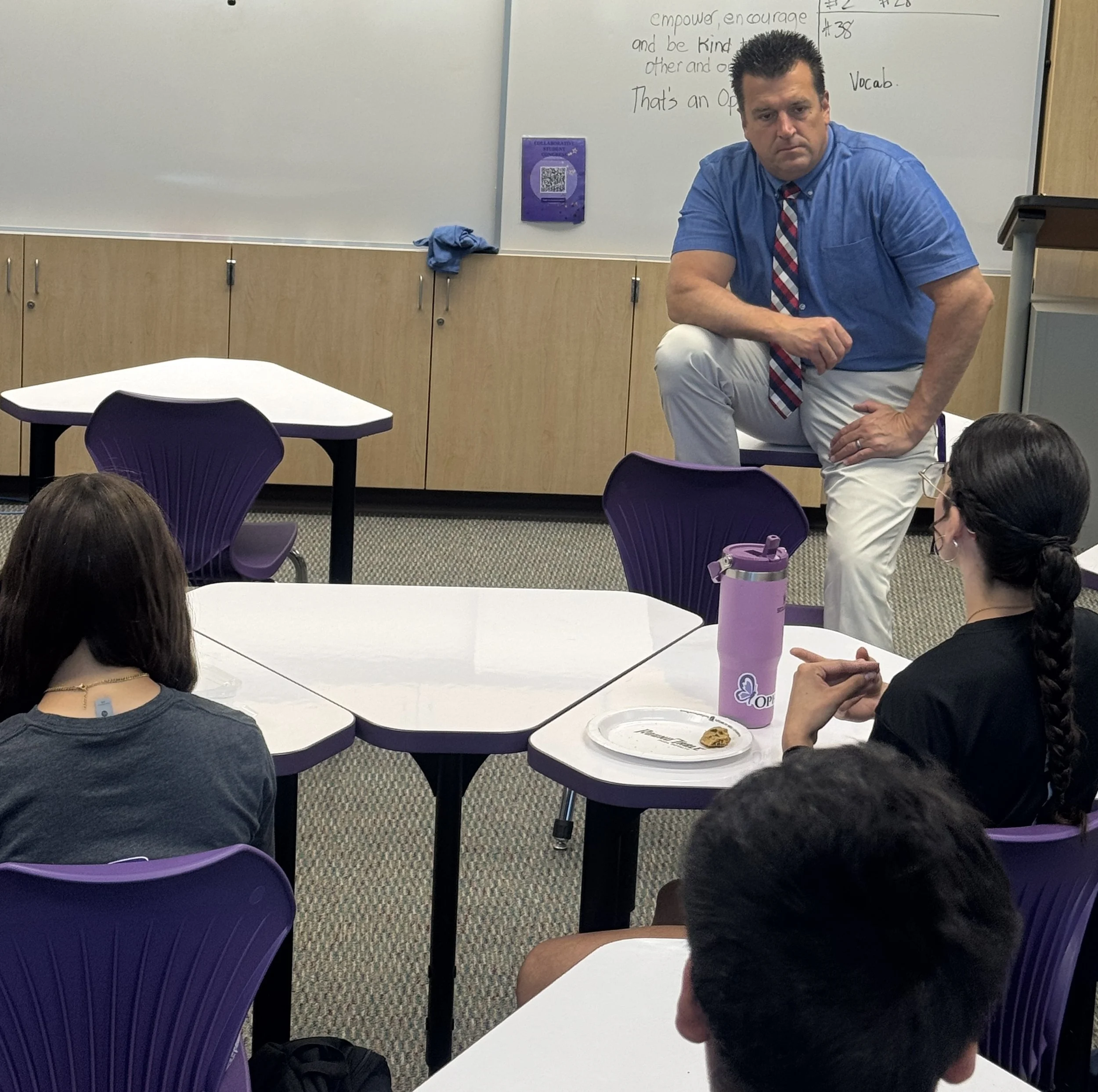
By the time we reached the third meeting of our student AI committee, a clear pattern had emerged.
In our first conversation, students helped me understand what was actually happening: how they were using AI, why they were turning to it, and what adults often failed to see. In the second meeting, they helped surface a deeper tension: AI can strengthen learning in some moments and weaken it in others, depending on how it is used.
By the third conversation, the question naturally shifted.
If students are already living with AI in real and complicated ways, what do they believe schools should actually do about it?
That was the focus of this final meeting.
As a principal, this part of the conversation mattered deeply to me because it moved us from observation to responsibility. It is one thing to listen to how students experience AI. It is another thing to ask what they believe adults should do with that knowledge.
What struck me most in this discussion was how grounded students were. They were not asking schools to remove all boundaries. They were not asking adults to step aside. They were asking for something much more thoughtful: clarity, fairness, guidance, and choice.
One of the clearest messages students shared was that teachers need to understand that AI is not simply an answer tool. For many students, it functions as support. It can help explain difficult concepts, clarify confusion, and make learning feel more accessible when students are stuck.
Too often, school conversations about AI begin and end with whether students are using it to get answers. What students helped reveal in this meeting is that this framing is too narrow. In their experience, AI is often most useful not because it changes what they think, but because it helps them get to a place where they can think more clearly for themselves.
One student put it plainly: AI is not going to make them change their minds. It is going to be a support system.
That line stayed with me because it captures something important. Students are not necessarily looking for AI to replace judgment, voice, or effort. Many are looking for help navigating complexity. They want support that helps them engage, not a tool that takes over the work.
At the same time, students were equally clear that adults have responsibilities here too.
Several students raised concerns about teachers assigning work that appears to have been generated with AI but not carefully reviewed before being given to students. They described directions that felt unclear, incomplete, or written in ways that left too much for students to infer on their own. In some cases, they felt it was obvious that the assignment had not been fully thought through before reaching them.
That insight deserves attention.
If schools are asking students to use AI responsibly, then adults must hold themselves to that same standard. Thoughtful use matters on both sides of the classroom. When teachers rely on AI to help create materials, they still carry the responsibility of making sure those materials are clear, purposeful, and aligned to what students are expected to learn.
Students also spoke directly about fairness.
Some raised concern about teachers using AI to grade student work while students themselves are often warned against using AI in meaningful ways. Whether this is happening widely or only in certain cases, the concern itself is worth taking seriously. Students are paying close attention to how AI is being used by adults. They notice inconsistency. They notice double standards. And when they perceive imbalance, it affects trust.
That does not mean the roles of teachers and students are the same. They are not. But if schools want credibility in this conversation, fairness has to be part of the design.
Another strong theme from this final meeting was instruction.
Students were clear that they do not just want policies about AI. They want teaching. More specifically, they want teachers to help them understand how AI can be used within actual subject areas and in ways that make sense for particular classes. They do not want AI treated as an abstract topic discussed only in general terms. They want concrete guidance. What does responsible use look like in English? In science? In history? In math? When is it helpful? When does it cross a line?
That is an important challenge to educators.
If we want students to make good decisions about AI, we cannot assume they will simply develop that judgment on their own. We have to teach toward it. Students need examples, boundaries, and opportunities to practice using these tools well inside the real work of learning.
They also emphasized something schools should not overlook: choice.
Students said AI use should remain optional for those who do not want to use it. That point matters because it reminds us that a thoughtful approach to innovation is not just about access. It is also about agency. If AI is meant to expand opportunity, then students should still have room to decide whether and how they engage with it.
That perspective felt especially important to me.
As schools explore how AI fits into instruction, it can be easy to frame progress as wider adoption. But students reminded me that progress can also mean protecting space for human preference, personal values, and different ways of learning. Not every student wants AI involved in every part of their academic life, and that should not be treated as resistance. It may be discernment.
As I reflect on this final meeting, I keep coming back to how thoughtful students were in naming the conditions that make learning feel more fair, more transparent, and more human.
Across all three conversations, that may be what has stayed with me most.
When students are invited into a real conversation about AI, they do not simply talk about technology. They talk about trust. They talk about clarity. They talk about pressure, fairness, support, and the kind of teaching that helps them grow.
That is why this series has mattered to me.
It has reminded me that if schools want to respond wisely to AI, student voice cannot be an afterthought. It has to be part of the foundation. Students are not just reacting to what adults decide. They are helping reveal what adults need to see.
This final meeting did not give us a neat conclusion, and I think that is part of its value. What it gave us was something better: a clearer sense of what responsible leadership in this moment requires.
It requires adults to listen before rushing to policy.
It requires teachers to use AI with care, not convenience.
It requires schools to teach students how to use AI well, not simply warn them about using it poorly.
And it requires us to remember that even in a conversation about rapidly changing technology, the most important questions are still deeply human.
That may be the most important lesson my students have given me through this process.
